
Chronic lower back pain is one of the most common medical conditions affecting adults in the United States. For some people, it begins after lifting something heavy or suffering an injury. For others, the pain develops slowly over time from aging, disc degeneration, poor posture, arthritis, or nerve irritation.
What makes chronic lower back pain especially frustrating is that it rarely affects just one part of life. It can interfere with sleep, work, exercise, driving, sitting comfortably, and even simple daily activities like walking or standing for long periods.
While occasional back pain is common, pain that continues for weeks or months should not be ignored. In many cases, chronic lower back pain can worsen over time if the underlying condition is left untreated.
The good news is that many patients can find relief without major surgery through a combination of advanced diagnostics, minimally invasive treatments, physical rehabilitation, and interventional pain management.
In this guide, we’ll explain:
- What chronic lower back pain is
- Common causes and symptoms
- When lower back pain becomes serious
- Conditions commonly linked to chronic pain
- Non-surgical treatment options
- When to see an interventional pain specialist
What Is Chronic Lower Back Pain?
Lower back pain is generally considered chronic when it lasts for 12 weeks or longer, even after the original injury or cause should have improved.
Unlike acute pain, which often develops suddenly and improves within days or weeks, chronic pain tends to persist and may fluctuate in intensity over time.
Some people experience:
- Constant aching
- Burning pain
- Sharp stabbing sensations
- Muscle tightness
- Pain that radiates into the hips or legs
- Tingling or numbness
- Difficulty standing, sitting, or walking
Chronic lower back pain can range from mild discomfort to severe pain that interferes with daily life.
According to the National Institute of Neurological Disorders and Stroke (NINDS), lower back pain is one of the leading causes of disability worldwide.
Common Symptoms of Chronic Lower Back Pain
Symptoms can vary depending on the underlying cause.
Common signs include:
- Persistent lower back aching
- Pain after sitting for long periods
- Pain while standing or walking
- Morning stiffness
- Pain that worsens at night
- Muscle spasms
- Burning or shooting pain
- Pain radiating down the leg
- Tingling or numbness
- Weakness in the legs or feet
- Reduced flexibility or mobility
Some patients notice that their pain comes and goes, while others experience constant discomfort. In many cases, it overlaps with joint pain vs muscle pain differences, making diagnosis more important.
What Causes Chronic Lower Back Pain?
There is no single cause of chronic lower back pain. In many cases, multiple spinal structures may contribute to pain at the same time.
1. Herniated or Bulging Discs
The discs between the spinal vertebrae act as cushions. Over time, these discs can weaken, bulge, or rupture.
When a disc presses against nearby nerves, it may cause:
- Lower back pain
- Sciatica
- Leg pain
- Numbness
- Tingling
- Weakness
Disc-related pain often worsens with sitting, bending, coughing, or lifting.
2. Degenerative Disc Disease

As people age, spinal discs naturally lose hydration and flexibility.
This degeneration can lead to:
- Chronic stiffness
- Reduced shock absorption
- Ongoing inflammation
- Pain with movement
Degenerative disc disease is one of the most common causes of chronic lower back pain in adults over 40.
3. Arthritis of the Spine
Osteoarthritis can affect the facet joints in the spine.
This may cause:
- Stiffness
- Pain while twisting or standing
- Reduced mobility
- Chronic inflammation
Facet joint pain is commonly linked to aging and spinal wear and tear.
4. Sciatica
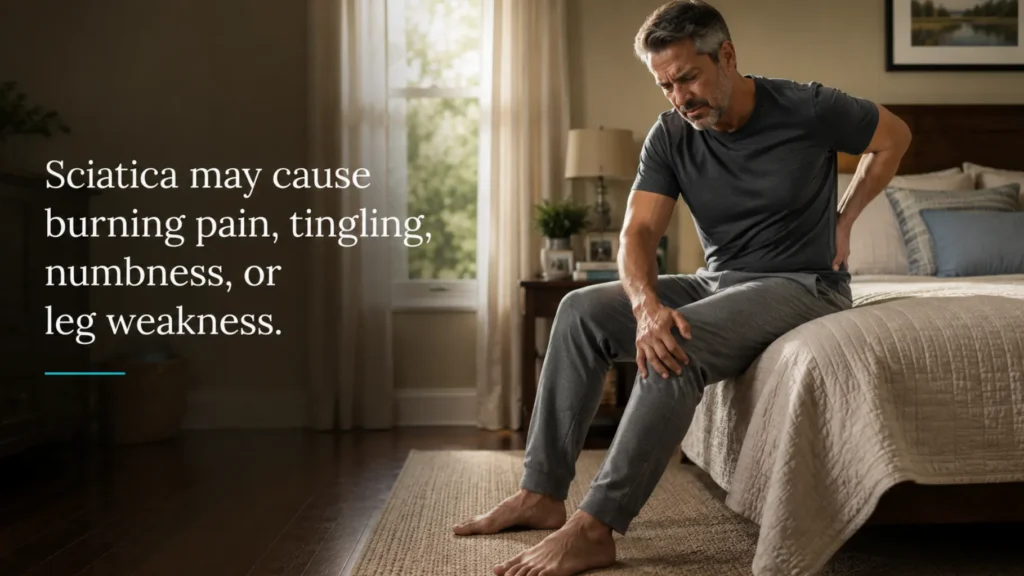
Sciatica occurs when the sciatic nerve becomes irritated or compressed.
Symptoms often include:
- Pain traveling down one leg
- Burning sensations
- Tingling
- Numbness
- Leg weakness
Sciatica is commonly caused by herniated discs, spinal stenosis, or nerve compression.
5. Spinal Stenosis

Spinal stenosis happens when the spaces inside the spine narrow and place pressure on the nerves.
This condition is more common in older adults.
Symptoms may include:
- Lower back pain
- Leg pain while walking
- Numbness
- Balance problems
- Weakness
Many patients with spinal stenosis feel relief when leaning forward or sitting.
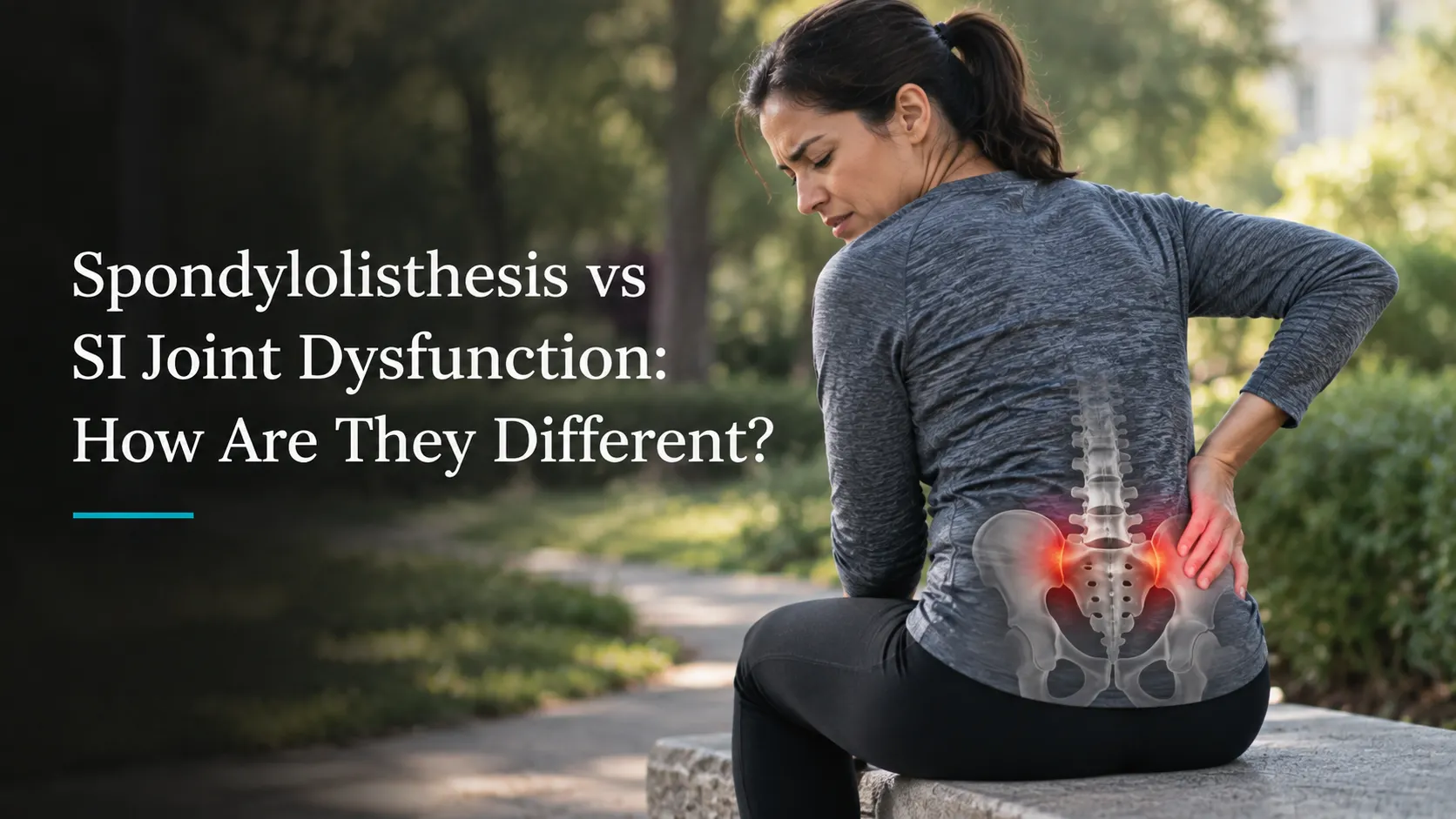
6. SI Joint Dysfunction
The sacroiliac (SI) joints connect the spine to the pelvis.
Inflammation or dysfunction in these joints may cause:
- Pain near the hips or buttocks
- Lower back discomfort
- Pain while standing or climbing stairs
SI joint pain is frequently mistaken for sciatica or disc problems.
7. Muscle Strain and Poor Posture
Long hours sitting, poor ergonomics, weak core muscles, and repetitive movements can all contribute to chronic strain on the lower back.
Over time, this stress may lead to:
- Ongoing muscle tension
- Reduced spinal support
- Increased inflammation
- Recurrent flare-ups
When Does Lower Back Pain Become Serious?
Some lower back pain improves with rest and conservative care. However, certain symptoms should never be ignored.
Seek medical attention if you experience:
- Pain lasting longer than several weeks
- Pain spreading into the legs
- Numbness or tingling
- Leg weakness
- Difficulty walking
- Loss of bladder or bowel control
- Fever with back pain
- Unexplained weight loss
- Severe pain after an accident or fall
- Pain that continues worsening
Persistent symptoms may indicate nerve compression, spinal instability, or another condition requiring medical evaluation.
How Chronic Lower Back Pain Is Diagnosed
An interventional pain specialist will usually begin with:
- A medical history review
- Physical examination
- Mobility and neurological testing
- Imaging studies if needed
Diagnostic imaging may include:
- X-rays
- MRI scans
- CT scans
In some cases, diagnostic injections may also help identify the source of pain.
If it’s your first visit, you can expect a structured evaluation similar to what happens at your first pain management appointment.
The goal is not just pain relief, but accurate diagnosis of the root cause.
Non-Surgical Treatments for Chronic Lower Back Pain
Many patients assume surgery is their only option.
In reality, a large percentage of chronic lower back pain cases can be managed with non-surgical treatment approaches.
Treatment depends on the underlying diagnosis, symptom severity, and patient goals.
Conservative Treatment Options
These may include:
- Physical therapy
- Core strengthening
- Stretching programs
- Activity modification
- Posture correction
- Weight management
- Anti-inflammatory medications
- Heat and ice therapy
For some patients, conservative care alone may provide relief. Long-term lifestyle strategies are also important, including guidance on how to manage chronic pain daily.
Interventional Pain Management Treatments
When conservative treatment is not enough, minimally invasive procedures may help reduce inflammation and interrupt pain signals.
Epidural Steroid Injections
These injections deliver anti-inflammatory medication near irritated spinal nerves.
They are commonly used for:
- Herniated discs
- Sciatica
- Spinal stenosis
Learn more about epidural steroid injections for back pain.
Facet Joint Injections
These injections target painful spinal joints affected by arthritis or inflammation.
Radiofrequency Ablation (RFA)
RFA uses heat generated by radio waves to interrupt pain-transmitting nerves.
This procedure is commonly recommended for chronic facet joint pain.
Some patients experience relief lasting several months or longer.
More details here: radiofrequency ablation for pain relief.
SI Joint Injections
These injections help diagnose and reduce inflammation in the sacroiliac joints.
Spinal Cord Stimulation
Spinal cord stimulators use mild electrical impulses to interfere with pain signals before they reach the brain.
This option may be considered for certain chronic pain conditions when other treatments have not worked.
Learn more: spinal cord stimulation for chronic pain.
Can Chronic Lower Back Pain Be Prevented?
While not all causes are preventable, certain habits may help reduce stress on the spine.
Helpful habits include:
- Maintaining a healthy weight
- Staying physically active
- Improving posture
- Strengthening core muscles
- Avoiding prolonged sitting
- Using proper lifting techniques
- Creating an ergonomic workspace
- Managing stress and sleep quality
Even small lifestyle adjustments can help reduce recurrent flare-ups. For broader strategies, see pain management beyond medication.
When Should You See a Pain Specialist?
You should consider seeing an interventional pain specialist if:
- Your pain has lasted several weeks or longer
- Daily activities are becoming difficult
- Conservative care is no longer helping
- Pain keeps returning
- You experience numbness or weakness
- You want to avoid surgery if possible
More guidance here: when to see interventional pain specialists.
Early treatment may help prevent worsening nerve irritation, reduced mobility, and long-term complications.
Chronic Lower Back Pain Treatment in Lafayette, LA
At Interventional Pain Specialists, we help patients throughout Lafayette and surrounding Louisiana communities find advanced, non-surgical solutions for chronic lower back pain.
Our team evaluates the root cause of pain and develops personalized treatment plans based on each patient’s symptoms, imaging findings, lifestyle, and goals.
Treatment plans may include:
- Minimally invasive procedures
- Image-guided injections
- Nerve-targeted therapies
- Long-term pain management strategies
- Coordination with rehabilitation programs
Whether your pain began after an injury, years of spinal wear and tear, or an underlying nerve condition, early evaluation can help you better understand your treatment options.
Conclusion
Chronic lower back pain is more than occasional discomfort. It can affect mobility, independence, sleep, work, and overall quality of life.
Because many different conditions can contribute to chronic pain, proper diagnosis is essential before choosing treatment.
The earlier persistent symptoms are evaluated, the more treatment options may be available.
For many patients, advanced non-surgical therapies can help reduce pain, improve movement, and restore daily function without major surgery.
FAQs
What is considered chronic lower back pain?
Lower back pain is usually considered chronic when it lasts longer than 12 weeks.
Can chronic lower back pain go away without surgery?
Yes. Many patients improve with physical therapy, interventional pain procedures, rehabilitation, lifestyle changes, and non-surgical treatment plans.
What is the most common cause of chronic lower back pain?
Common causes include herniated discs, arthritis, degenerative disc disease, sciatica, spinal stenosis, and chronic muscle strain.
When should I worry about lower back pain?
You should seek medical attention if pain is severe, persistent, radiates into the legs, causes weakness or numbness, or interferes with daily life.
Can chronic lower back pain cause leg pain?
Yes. Conditions like sciatica and nerve compression commonly cause pain that radiates into the hips, buttocks, or legs.
Medical References
- Mayo Clinic – Back Pain
https://www.mayoclinic.org/diseases-conditions/back-pain/symptoms-causes/syc-20369906 - National Institute of Arthritis and Musculoskeletal and Skin Diseases
https://www.niams.nih.gov/health-topics/back-pain - Johns Hopkins Medicine – Sciatica
https://www.hopkinsmedicine.org/health/conditions-and-diseases/sciatica