

Choosing a pain management clinic can feel overwhelming, especially when you’ve already spent weeks or months dealing with persistent pain.
Maybe physical therapy hasn’t provided enough relief. Your back pain keeps returning. You’re experiencing sciatica or nerve pain, or your current treatment plan no longer seems to be helping.
When searching for a pain management clinic in Lafayette, LA, you may find several doctors, medical practices, and treatment options. But how do you know which clinic is right for your condition?
The answer isn’t just about choosing the closest office or the provider with the highest online rating.
Start by evaluating the physician’s qualifications, the conditions they treat, the treatment options available, insurance requirements and how the clinic approaches long-term care.
This guide explains what to look for, which questions to ask, what warning signs to recognize, and how to prepare for your first pain management appointment.
Key Takeaways
- Choose a clinic based on your condition and medical needs, not simply online ratings.
- Verify the treating physician’s board certification, training, and relevant experience.
- Ask whether the clinic offers diagnostic evaluations and treatments appropriate to your symptoms.
- Understand the difference between medication management and interventional pain management.
- Confirm insurance participation, referral requirements, and potential costs before scheduling.
- Ask how the clinic evaluates persistent pain and decides whether procedures are necessary.
- A pain management consultation does not automatically mean you will need injections or surgery.
What Should You Look for in a Pain Management Clinic?
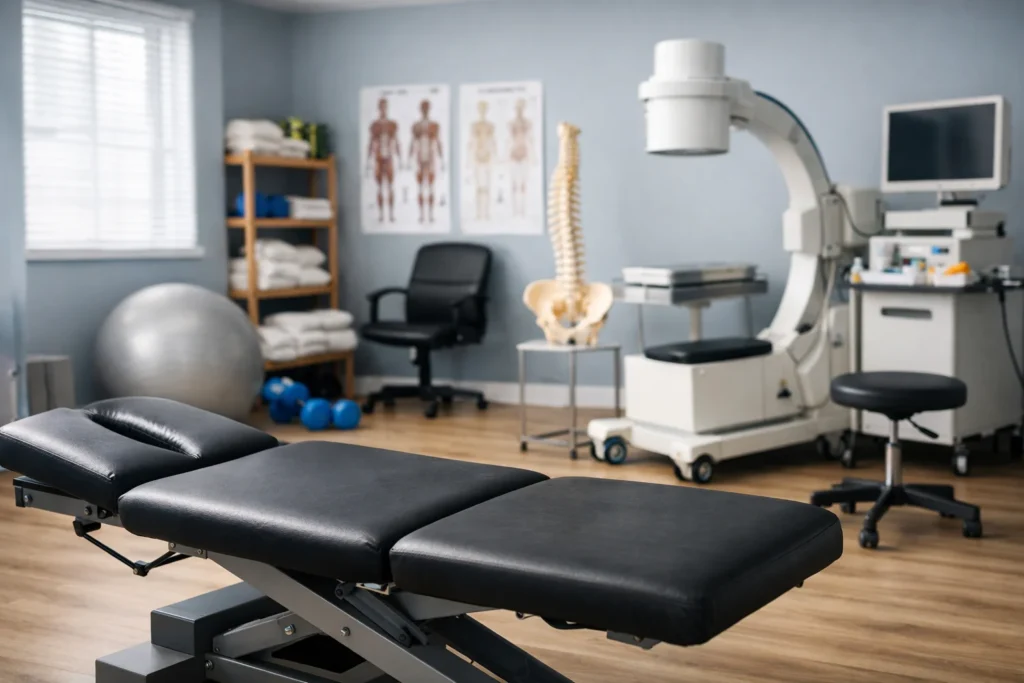
The right pain management clinic should offer care appropriate to your condition, explain treatment choices clearly, and help you understand what to expect. Use this checklist when comparing providers in Lafayette.
| What to evaluate | What to check |
| Physician qualifications | Board certification, specialty training, clinical experience |
| Conditions treated | Experience evaluating your specific symptoms |
| Diagnostic approach | Medical history, examination, imaging review when appropriate |
| Treatment options | Conservative care coordination, medication, appropriate procedures |
| Communication | Clear explanations of benefits, risks, and alternatives |
| Insurance | Network participation, referrals, prior authorization, costs |
| Ongoing care | Follow-up appointments and reassessment when treatment does not help |
| Convenience | Office location, accessibility, appointment scheduling |
Not every clinic needs to offer every treatment. What matters is whether the practice can evaluate your problem appropriately and provide or coordinate suitable care.
1. Check the Pain Management Doctor’s Qualifications
One of the most important steps when choosing a clinic is understanding who will evaluate and treat you.
Pain management physicians may come from different medical specialties, including anesthesiology, physical medicine and rehabilitation, neurology, and other related fields. Some pursue additional training in pain medicine or interventional procedures.
If you’re unsure why this matters, this guide explains how board-certified pain specialists differ from general practitioners.
What Does Board Certification Mean?
Board certification indicates that a physician has met the requirements of a recognized medical specialty board. However, consider board certification alongside the physician’s specific training, experience, and the condition being treated.
Useful questions include:
- What specialty is the physician board-certified in?
- Do they have additional certification in pain medicine?
- Do they regularly evaluate patients with my condition?
- Who will perform a procedure if one is recommended?
- How are treatment risks and alternatives explained?
You can also verify physician credentials through the relevant medical specialty board and the Louisiana State Board of Medical Examiners.
Why Experience With Your Condition Matters
A physician who frequently evaluates spinal nerve pain may approach a patient differently from a provider whose practice primarily focuses on another type of pain.
For example, a patient with pain radiating from the lower back into a leg may need evaluation for lumbar nerve root irritation. Someone with persistent pain after spine surgery may require a review of previous imaging, operative reports, and other possible pain sources.
The provider’s experience should match your symptoms, not just years in practice. Patients can review the physicians at Interventional Pain Specialists to learn more about their qualifications and areas of care.
2. Make Sure the Clinic Treats Your Type of Pain
Pain management is a broad field. Some clinics focus primarily on medication management. Others offer targeted interventional treatments, rehabilitation coordination, or multidisciplinary care. Before scheduling, ask whether the physician evaluates your particular symptoms.
Common Conditions Evaluated by Pain Management Specialists
These may include:
- Chronic lower back pain
- Neck pain
- Sciatica and radiating leg pain
- Nerve-related pain
- Certain forms of neuropathy
- Joint pain
- Pain following an injury
- Persistent pain after spine surgery
Someone experiencing chronic lower back pain may benefit from a different evaluation than someone experiencing burning nerve pain in the feet. Similarly, not all leg pain comes from sciatica. A clinic should consider the possible source of pain rather than assuming one treatment suits everyone.
If you’re trying to work out what type of pain you have, this guide on muscle vs. nerve vs. joint pain can help you describe your symptoms more clearly.
Common Conditions Evaluated by Pain Management Specialists
These may include:
- Chronic lower back pain
- Neck pain
- Sciatica and radiating leg pain
- Nerve-related pain
- Certain forms of neuropathy
- Joint pain
- Pain following an injury
- Persistent pain after spine surgery
For example, someone experiencing chronic lower back pain may benefit from a different evaluation than someone experiencing burning nerve pain in the feet.
Similarly, not all leg pain comes from sciatica.
A clinic should consider the possible source of pain rather than assuming one treatment suits everyone.
Patients can explore the conditions and available services at the IPS Lafayette pain management clinic.
3. Ask How the Clinic Diagnoses the Source of Pain
One of the most useful questions you can ask a pain management specialist is:
“How will you determine what is causing my pain before recommending treatment?”
A thorough evaluation generally involves more than reviewing an MRI report. Depending on your symptoms, a physician may consider:
- Medical history
- Previous injuries or surgeries
- Current symptoms
- Previous treatment responses
- Physical examination findings
- Neurological symptoms
- Existing imaging and laboratory results when relevant
- Additional testing when clinically indicated
Does Every Patient Need an MRI?
No. MRI and other imaging tests are recommended when they may clarify a suspected condition or guide treatment.
An MRI may show disc degeneration, arthritis, or other spinal changes that don’t necessarily cause your pain. The physician should explain why a test is needed and how its results may affect the treatment plan.
What If Previous Tests Haven’t Identified the Cause?
Persistent pain sometimes has several contributing factors. A pain specialist may reassess whether symptoms involve spinal joints, discs, nerves, muscles, or another source. In selected patients, diagnostic procedures may provide additional information.
However, no single test identifies the cause of every type of pain.
4. Understand the Difference Between Pain Management and Interventional Pain Management
Not all pain management clinics provide the same services. Some emphasize medication and conservative treatment. Others offer image-guided injections, nerve blocks, and minimally invasive procedures.
To see how non-drug approaches fit into care, read about pain management beyond medication.
Interventional pain management uses targeted procedures to evaluate or manage specific pain sources. These treatments are appropriate only when supported by the patient’s diagnosis and clinical findings.
Examples of Interventional Treatments
| Treatment | Potential purpose |
| Epidural steroid injections | Selected cases of radiating nerve-related pain |
| Facet joint injections | Selected spinal joint-related conditions |
| Medial branch blocks | Diagnosing possible facet-mediated pain |
| Radiofrequency ablation | Selected patients with confirmed facet joint-related pain |
| Selective nerve root blocks | Selected diagnostic or therapeutic nerve-related indications |
| Peripheral nerve blocks | Certain localized nerve-related pain conditions |
Each procedure has different indications, benefits, limitations, and risks. For example, epidural steroid injections may help certain patients with persistent nerve-related symptoms, while radiofrequency ablation may be considered for selected patients with facet-mediated pain. Neither procedure is appropriate for every person with chronic back pain.
You can review our pain management procedures for additional information. If you’re curious about timing, this article explains how fast nerve block injections work and how long they last.
Is a Clinic With More Procedures Automatically Better?
Not necessarily. Choose treatment based on the clinical diagnosis, and a clinic offering more procedures isn’t automatically better than one with fewer options.
What matters is whether the physician recommends appropriate care and discusses alternatives, including when no procedure is necessary.
5. Ask About Insurance, Referrals, and Out-of-Pocket Costs
This is one of the most practical steps patients overlook when choosing a pain management doctor. Before scheduling an appointment, contact the clinic and your insurance provider to confirm coverage.
Questions to Ask the Clinic
- Are you currently accepting new patients?
- Do you accept my insurance plan?
- Is the treating physician in my insurance network?
- Do I need a referral from my primary care doctor?
- Are previous medical records required?
- Will I need prior authorization for certain treatments?
- Are consultations and procedures billed separately?
- What out-of-pocket costs might apply?
Insurance participation can vary by plan and provider. A clinic may participate with an insurance company without accepting every plan that company offers. Confirm coverage for the specific physician and service rather than assuming everything is covered.
What If You Don’t Have Insurance?
Ask whether the clinic offers self-pay appointments, what the consultation costs, and whether testing or procedures have separate fees. Don’t assume a quoted office visit price includes every possible treatment.
6. Find Out What Happens During the First Appointment
The first pain management visit is a chance to review your symptoms, past care, treatment goals, and possible next steps. Your physician may ask about:
- When the pain started
- Where the pain occurs
- Whether it travels into an arm or leg
- What makes it better or worse
- How it affects sleep and daily activities
- Previous medications, injections, or surgeries
- Physical therapy and other treatments already attempted
The clinic may also perform a physical examination.
What Should You Bring?
Depending on clinic requirements, useful information may include:
- Photo identification
- Insurance information
- Referral documentation, if required
- Current medication list
- Previous imaging reports
- Relevant medical records
- Previous procedure information
- Questions about your symptoms and treatment goals
You can read What Happens at Your First Pain Management Appointment in Lafayette, LA? for a more detailed explanation.
Will You Receive an Injection at the First Appointment?
Not necessarily. A new patient consultation may include reviewing your diagnosis, further testing, discussing conservative care, or planning another visit. Certain procedures may require insurance authorization or additional clinical evaluation.
Ask the clinic what to expect rather than assuming they’ll perform a procedure immediately.
7. Evaluate How the Clinic Explains Treatment Risks and Results
Medical treatments have benefits, limitations, and potential complications. A trustworthy healthcare provider should explain why they recommend a treatment and what alternatives are available.
If an injection is proposed, you may want to ask:
- What condition are we treating?
- Why is this procedure appropriate for me?
- What results are realistic?
- How long might relief last?
- What are the risks?
- What happens if it doesn’t work?
- Are there other reasonable options?
Be Cautious of Guaranteed Results
No ethical medical provider can guarantee that a procedure will permanently eliminate pain. Treatment responses vary between patients. Some people experience substantial improvement, while others receive limited or temporary relief.
For chronic pain, meaningful treatment goals may include improved mobility, more comfortable sleep, better tolerance for daily activities, or reduced pain interference.
8. Look for a Clear Follow-Up and Long-Term Care Plan
Pain management does not always end after one visit. Some conditions improve with a limited treatment course, while others require periodic reassessment. A clinic should be able to explain how it will monitor treatment response.
Questions worth asking include:
- How will we measure improvement?
- When should I follow up?
- What if the first treatment doesn’t help?
- Will I need to continue physical therapy?
- When would another specialist be appropriate?
- Who should I contact if I develop a problem after treatment?
Follow-up should be based on clinical needs rather than automatically scheduling repeated procedures. If therapy alone isn’t providing enough relief, read about what to do when physical therapy is not helping chronic pain.
What If Your Current Pain Management Treatment Isn’t Working?
You may benefit from reassessing the diagnosis, treatment plan, or both. If you’re considering changing providers, read How to Switch Pain Management Doctors. That guide explains medical record transfers, insurance questions, medication continuity, and what to expect from a new specialist.
9. Consider Clinic Location and Appointment Accessibility
Convenience matters, especially for patients whose pain makes driving or traveling uncomfortable. When choosing a clinic in Lafayette, consider whether the location works for your routine and any transportation limitations.
You may want to ask:
- Where is the office located?
- How can I schedule a new patient visit?
- Are follow-up visits available at the same location?
- Where are procedures performed?
- Is accessible parking available?
- Who should I contact with questions before or after an appointment?
Verify accessibility and procedure locations directly with the clinic rather than assuming all services take place in the same office.
10. Read Reviews, but Know What They Can and Cannot Tell You
Online reviews may provide helpful information about patient experiences. They can sometimes offer insight into scheduling, office communication, and staff interactions.
However, reviews cannot reliably establish whether a physician is clinically appropriate for your condition. A five-star rating does not guarantee a successful medical outcome, and one negative review does not necessarily reflect the quality of care.
Use reviews as one source of information alongside qualifications, treatment relevance, insurance coverage, and your own consultation experience.
Red Flags to Watch for When Choosing a Pain Management Clinic
Patients should feel comfortable asking questions and understanding why treatment is recommended. Be cautious if you encounter:
- Promises of guaranteed or permanent pain relief
- Pressure to undergo a procedure without a clear explanation
- Limited discussion of treatment risks or alternatives
- An inability to explain the proposed diagnosis
- Unclear insurance or billing arrangements
- No apparent plan for monitoring treatment results
- Inadequate consideration of important medical records or neurological symptoms
A treatment recommendation should make sense in the context of your condition. Seeking a second opinion can be reasonable when you have unresolved questions or are considering a significant procedure.
Questions to Ask a Pain Management Doctor Before Booking

If you’re comparing pain management clinics in Lafayette, this short checklist can help you prepare.
| Question | Why it matters |
| Do you have experience treating my condition? | Establishes treatment relevance |
| What certifications does the physician hold? | Helps evaluate qualifications |
| Do I need a referral? | Clarifies scheduling requirements |
| Do you accept my insurance plan? | Helps avoid unexpected costs |
| What should I bring to my first appointment? | Supports a useful initial evaluation |
| Will you review my previous imaging and treatment? | Avoids unnecessary duplication |
| What options exist beyond medication? | Clarifies available care |
| What happens if the recommended treatment doesn’t help? | Helps assess follow-up planning |
You don’t need to know all the medical terminology before your appointment. The provider should help explain your symptoms and the reasoning behind possible treatment options.
Considering Interventional Pain Specialists in Lafayette, LA?
Interventional Pain Specialists provides pain management care for patients experiencing persistent back pain, neck pain, sciatica, joint pain, nerve-related symptoms, and other chronic pain conditions.
Dr. Albert Gros, Jr., a physician board-certified in anesthesiology and pain medicine, leads the Lafayette team and brings more than two decades of experience.
We evaluate patients to determine whether conservative approaches, further assessment, or targeted interventional procedures may be appropriate. Available treatment options include epidural steroid injections, facet joint procedures, medial branch blocks, selective nerve root blocks, radiofrequency ablation, and more.
Patients researching a pain management clinic in Lafayette, LA can explore the office’s location, provider information, conditions evaluated, and available treatment services before requesting an appointment.
Visit the Lafayette Clinic
Interventional Pain Specialists – Lafayette
1101 S. College Rd., Suite 200
Lafayette, LA
Phone: (337) 362-8101
Meet the IPS Providers | Explore Pain Management in Lafayette
Also Serving Patients in Opelousas
We also have a clinic in Opelousas, Louisiana. Patients can visit the Opelousas pain management clinic page for its contact information and available services.
Opelousas: (337) 284-3200
Ready to Discuss Your Pain Management Options?
If persistent pain affects your daily activities despite initial treatment, contact us to confirm appointment availability, referral requirements, insurance participation and which records to bring.
Frequently Asked Questions
How do I choose the best pain management clinic in Lafayette, LA?
Start by comparing the physician’s qualifications, experience with your condition, treatment options, insurance participation, and approach to follow-up care. The right clinic can evaluate your symptoms and provide appropriate treatment for your needs.
What qualifications should a pain management doctor have?
Review the physician’s medical license, specialty training, board certification, and experience treating your condition. Pain management physicians can come from different medical specialties.
Do I need a referral to see a pain management doctor in Lafayette?
Referral requirements vary by clinic and insurance plan. Some patients may need a referral or prior authorization. Contact the practice and insurance provider before scheduling.
Does insurance cover pain management treatment?
Many insurance plans cover certain pain management consultations and treatments, but coverage depends on the plan, physician network, medical necessity requirements, and authorization rules.
Can I see a pain management doctor without having surgery?
Yes. Pain management specialists evaluate many conditions that do not require surgery. Appropriate care may include conservative treatments, targeted procedures, or coordination with other healthcare professionals. You can compare pain management vs. surgery options to learn more.
Will a pain management doctor prescribe medication?
Medication management varies by clinic and patient condition. Some specialists prescribe medications as part of comprehensive care, while others focus primarily on interventional procedures. Ask about the practice’s specific services and prescribing policies.
Will I need injections at my first pain management appointment?
Not necessarily. The initial appointment often focuses on evaluating symptoms, reviewing previous care, and discussing appropriate next steps. Procedures may require additional assessment or authorization.
What is the difference between a pain management doctor and an orthopedic doctor?
Pain management specialists often focus on non-surgical evaluation and treatment of persistent pain. Orthopedic doctors diagnose and treat musculoskeletal conditions, and orthopedic surgeons may perform operations when indicated. For a deeper comparison, see pain management doctor vs. orthopedic doctor for back pain.
Can I switch pain management doctors if my treatment isn’t helping?
Yes. Patients can seek another evaluation when their needs change or they are dissatisfied with their current care. Before transferring, confirm referral requirements, medical record transfer procedures and ensure safe medication continuity.
When should I see a pain management specialist?
Consider discussing specialist care when pain persists despite initial treatment, repeatedly returns, or significantly interferes with sleep, work, movement, or daily activities. New progressive weakness, bladder or bowel dysfunction, or other serious neurological symptoms require urgent or emergency medical evaluation instead of a routine clinic appointment.
Medical References and Patient Resources
- American Board of Medical Specialties: Certification Matters
- Louisiana State Board of Medical Examiners
- CDC: Clinical Practice Guideline for Prescribing Opioids for Pain
- National Institute of Arthritis and Musculoskeletal and Skin Diseases: Back Pain
- Medicare: Find and Compare Healthcare Providers
Medical Disclaimer
This article is intended for educational purposes and does not replace medical advice, diagnosis, or treatment. Choosing a healthcare provider depends on individual medical needs, insurance requirements, and clinical circumstances. Seek immediate medical care for serious or rapidly worsening symptoms.