
When Pain Doesn’t Go Away: Understanding Who to See
If you’ve been living with ongoing pain—whether it’s in your back, neck, joints, or nerves—you may have already seen a general practitioner (GP). While GPs play an important role in diagnosing and managing many health conditions, persistent or complex pain often requires more specialized care.
This is where a pain management specialist can make a meaningful difference. Understanding how their training and approach differ from general practitioners can help you make informed decisions about your care—especially when pain starts to affect your daily life.
For patients in Lafayette and Opelousas, LA, knowing when to seek specialized care can make a meaningful difference in recovery and quality of life.
Key Takeaways
- A pain management specialist has advanced training focused specifically on diagnosing and treating chronic pain conditions
- General practitioners provide broad, first-line care but may refer patients when pain becomes complex or persistent
- Interventional pain management specialists may use minimally invasive procedures alongside medications and therapy
- Board certification indicates a physician has met rigorous standards in a specific field
- Choosing the right provider depends on your symptoms, history, and treatment goals
What Is a Pain Management Specialist?
A pain management specialist is a physician who focuses on evaluating, diagnosing, and treating different types of pain—especially chronic or long-lasting pain.
These specialists often come from backgrounds such as anesthesiology, neurology, or physical medicine and rehabilitation. Many complete additional training in pain medicine and may become board-certified in this field.
An interventional pain management specialist may also perform targeted procedures—such as injections or nerve-based treatments—to help reduce pain and improve function. You can explore a range of commonly used treatments through these minimally invasive pain relief options.
What Does a General Practitioner Do?
A general practitioner (GP) is trained to provide comprehensive primary care. They are often the first point of contact for patients experiencing new symptoms, including pain.
GPs can:
- Diagnose common conditions
- Prescribe medications
- Recommend basic treatments like physical therapy
- Refer patients to specialists when needed
For many short-term or mild pain conditions, this level of care is appropriate and effective.
Key Differences That Matter in Patient Care
1. Specialized Training and Focus
Pain management specialists undergo additional training focused entirely on pain conditions. This allows them to evaluate complex cases that may not respond to standard treatments.
In contrast, general practitioners are trained across a wide range of medical conditions but may not have the same depth of expertise in chronic pain management.
If you’re unsure whether your symptoms require specialized care, this guide on when to see an interventional pain specialist can help clarify your next step.
2. Advanced Treatment Options
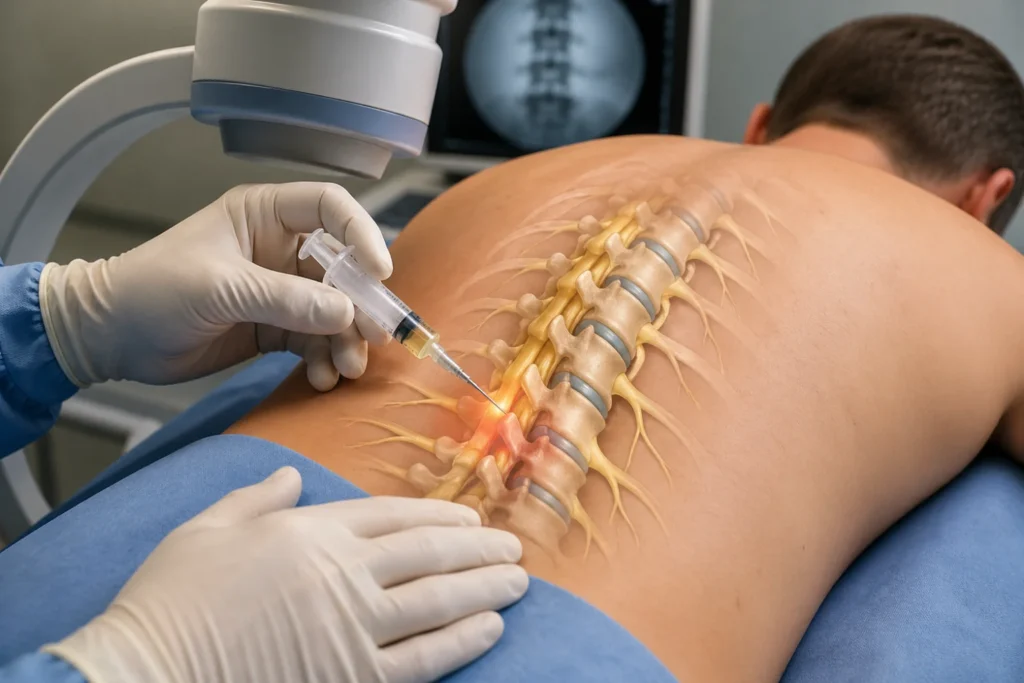
While GPs may prescribe medications or recommend therapy, specialists in pain management can offer a broader range of options, including:
- Epidural steroid injections
- Nerve blocks
- Spinal cord stimulation
- Minimally invasive procedures
These treatments may be considered when conservative approaches have not provided enough relief.
3. Approach to Chronic Pain
Chronic pain is often multifactorial, meaning it can involve physical, neurological, and sometimes psychological components.
Pain specialists typically use a multidisciplinary approach, which may include:
- Interventional procedures
- Medication management
- Physical therapy coordination
- Lifestyle and functional support
Understanding how long to wait before seeking chronic pain treatment can help patients avoid unnecessary delays in care.
4. Board Certification and Expertise

Board certification is an important indicator of a physician’s qualifications. It means the doctor has met specific education, training, and examination standards in their specialty.
For example, Dr. Albert Gros, Jr., MD, is double board-certified in anesthesiology and pain medicine. This reflects advanced expertise in both the science of pain and the techniques used to manage it safely and effectively.
With over two decades of experience, his approach combines interventional procedures with patient-centered care—focusing on improving function and quality of life. You can learn more about his background and the care philosophy by reviewing the team of experienced pain care providers.
Who Should Consider Seeing a Pain Management Specialist?
You may benefit from seeing a pain management specialist if:
- Pain lasts longer than a few weeks or months
- Standard treatments are not providing sufficient relief
- Pain is affecting your daily activities or mobility
- You have nerve-related symptoms (tingling, burning, numbness)
- You are trying to avoid or delay surgery
A referral from your GP is often the next step when pain becomes more complex. If you’re evaluating care options locally, this resource on choosing a pain management clinic in Lafayette LA, may be helpful.
Benefits of Seeing a Specialist
Working with a pain specialist may offer:
- A more detailed evaluation of your condition
- Access to targeted, minimally invasive treatments
- A personalized care plan tailored to your needs
- Ongoing monitoring and adjustment of treatment strategies
Many patients experience improved function and reduced discomfort when care is more specialized. You can also explore the clinic’s approach to care and services offered at Interventional Pain Specialists.
Risks and Limitations to Be Aware Of
While pain management treatments can be helpful, it’s important to understand that:
- Not all treatments work the same for every patient
- Some procedures carry risks such as infection, bleeding, or temporary discomfort
- Relief may be partial or temporary in some cases
- Multiple treatments or ongoing care may be needed
Your doctor will discuss potential risks and help determine what options are appropriate for your condition.
What to Expect During Your Visit
When you see a pain specialist, your visit may include:
Before:
- Review of medical history and previous treatments
- Discussion of symptoms and how pain affects your life
During:
- Physical examination
- Possible imaging review (MRI, X-rays)
- Development of a treatment plan
After:
- Follow-up visits to monitor progress
- Adjustments to treatment as needed
The goal is to create a plan that supports both pain relief and improved function. If you’re located in Lafayette or Opelousas, LA, and ready to take the next step, you can contact our care team to discuss your symptoms and treatment options.
Is This Right for You?
Choosing between a general practitioner and a pain specialist isn’t about one being better than the other—it’s about the level of care your condition requires.
If your pain is new or mild, starting with a GP is appropriate. However, if pain becomes persistent, complex, or limiting, a pain management specialist may provide additional options and expertise.
A consultation can help you better understand your condition and explore safe, appropriate treatment paths.
Frequently Asked Questions
1. When should I see a pain management specialist instead of a GP?
If your pain lasts more than a few weeks, worsens, or does not improve with basic treatment, your GP may recommend seeing a specialist.
2. What does an interventional pain management specialist do?
An interventional pain management specialist uses minimally invasive procedures—such as injections or nerve treatments—to help reduce pain and improve function.
3. Do I need a referral to see a pain specialist?
In many cases, yes. Your general practitioner can evaluate your condition and refer you if specialized care is appropriate.
4. Are pain management treatments permanent?
Some treatments may provide long-term relief, while others may need to be repeated. Results vary depending on the condition and individual response.
5. Is it safe to undergo pain management procedures?
Most procedures are considered safe when performed by trained professionals, but like any medical treatment, they carry some risks. Your doctor will explain these before proceeding.
Medical References
- Mayo Clinic
- Cleveland Clinic
- National Institutes of Health (NIH)
- American Society of Interventional Pain Physicians (ASIPP)
- American Board of Anesthesiology
Disclaimer
This content is for informational purposes only and does not replace professional medical advice. Always consult a qualified healthcare provider for diagnosis and treatment.