
Joint Pain Treatment in Opelousas, LA
Persistent joint pain can make walking, climbing stairs, working, exercising, and everyday movement increasingly difficult.
At Interventional Pain Specialists in Opelousas, we evaluate joint pain to determine what may be causing the symptoms and which treatment options may be appropriate.
Our team treats joint, spine, nerve, and musculoskeletal pain using personalized and minimally invasive approaches when appropriate.

Joint Pain Care Close to Home in Opelousas
Interventional Pain Specialists – Opelousas
Address: 3983 I-49 S. Service Road, Opelousas, LA
Phone: (337) 284-3200
Joint pain may develop gradually because of arthritis or degeneration, begin after an injury, or continue even after previous treatment.
For patients in Opelousas and surrounding St. Landry Parish communities, having access to pain management care closer to home can make ongoing evaluation and treatment easier.
The first step is determining what is most likely causing the pain rather than treating every painful joint the same way.

What Is Joint Pain?
Joint pain refers to discomfort arising in or around a joint. It may affect the:
- Knees
- Hips
- Shoulders
- Sacroiliac joints
- Spinal facet joints
- Other painful or injured joints
Some people experience a constant ache or stiffness. Others notice sharp pain with movement, standing, walking, or certain activities. The pain may be related to arthritis, inflammation, injury, degeneration, surrounding tissues, or nearby nerves.
Because several conditions can produce similar symptoms, proper evaluation is important before deciding on treatment.
Joint Pain Conditions We Treat in Opelousas
Our Opelousas team evaluates persistent joint pain and related symptoms, including:
- Knee pain
- Hip pain
- Shoulder pain
- Osteoarthritis-related pain
- Facet joint pain
- Sacroiliac joint pain
- Joint pain after injury
- Persistent pain after surgery
- Joint inflammation
- Nerve-related pain around a joint
- Joint pain that has not improved with physical therapy
Symptoms such as increasing stiffness, limited mobility, pain with walking, or difficulty participating in normal activities may be signs that further evaluation is needed.


How Joint Pain Treatment Works
Joint pain treatment begins with identifying the likely pain source. Your provider may review:
- Where the pain occurs
- What movements make it worse
- How long symptoms have been present
- Previous injuries or surgeries
- Treatments you have already tried
- Existing X-rays, MRI scans, or other imaging
A physical examination may assess movement, tenderness, strength, stability, and the activities that reproduce your symptoms.
In some cases, a diagnostic injection or nerve block may also help determine whether a particular joint or nerve is contributing to the pain.
Once the likely source has been identified, your provider can discuss whether conservative care, an injection, nerve-targeted treatment, or another approach may be appropriate.
Joint Pain Treatments We Offer
Joint Injections
Joint or surrounding soft-tissue injections may be considered for selected patients with persistent pain or inflammation. The appropriate treatment depends on the joint involved, the diagnosis, and previous response to conservative care.
Genicular & Peripheral Nerve Blocks
Certain joint pain is transmitted through specific peripheral nerves. For example, a genicular nerve block targets nerves around the knee and may be considered for appropriately selected patients with chronic knee pain.
Radiofrequency Ablation
Radiofrequency ablation uses controlled energy to interrupt pain signals traveling through selected nerves. It may be considered for certain chronic joint-related pain conditions after appropriate diagnostic evaluation.
If your pain is coming from the small joints of the spine rather than the knee, hip, or shoulder, your provider may recommend a different treatment approach. Learn more about Facet Joint Injections in Opelousas.
What to Expect During Your Visit to Our Opelousas Clinic
We Learn About Your Pain
Your provider will ask where the pain occurs, when it began, which movements aggravate it, and how it affects everyday activities.
We Identify the Likely Source
Your medical history, physical examination, imaging, and previous treatment response can help determine whether the pain is coming from the joint itself, surrounding tissues, or nearby nerves.
We Discuss Your Options
Treatment recommendations are based on the suspected cause of pain, previous care, medical history, and your goals. Not every patient requires an injection or procedure.
How Long Does Joint Pain Relief Last?
The amount and duration of pain relief vary depending on the underlying condition and the treatment performed.
Some treatments are intended to reduce inflammation.
Diagnostic nerve blocks may provide temporary relief while helping determine whether a specific nerve is carrying the pain signal.
Other treatments, such as radiofrequency ablation, may provide longer-lasting relief for appropriately selected patients.
Your provider will discuss realistic expectations based on your diagnosis and recommended treatment.


Joint Pain Treatment Risks and Safety
The risks depend on the specific procedure being performed.
Potential risks associated with injection-based treatments may include:
- Temporary soreness
- Bruising
- Bleeding
- Infection
- Temporary numbness or weakness
- Allergic reaction
- Temporary increase in pain
- Nerve or surrounding tissue injury, although uncommon
Our provider will review the potential benefits, risks, and alternatives before any procedure is performed.
Is Interventional Joint Pain Treatment Right for You?
A pain management evaluation may be worth considering if joint pain:
- Continues despite conservative treatment
- Keeps returning
- Interferes with walking or mobility
- Makes stairs difficult
- Prevents you from participating fully in physical therapy
- Continues after an injury
- Has not responded adequately to previous treatment
- Affects sleep, work, or everyday activity
Not every case of joint pain requires an interventional procedure.
The first goal is to determine what may be causing your symptoms and whether additional treatment is appropriate.
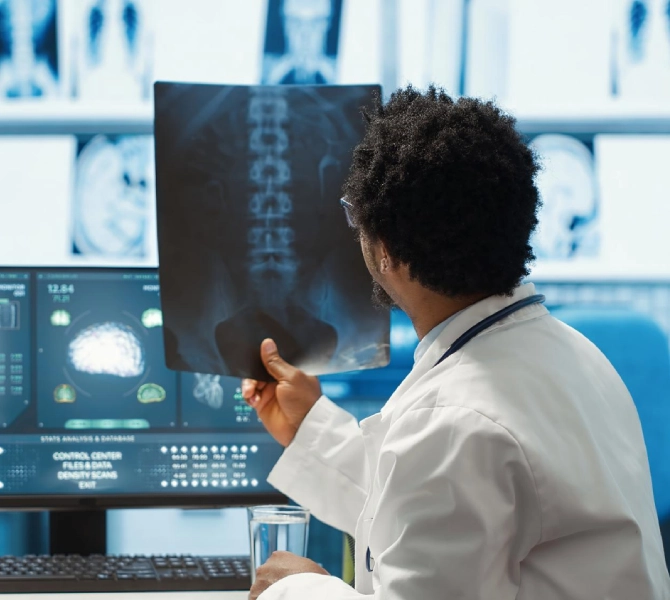
Why Opelousas Patients Choose IPS for Joint Pain Care
Personalized Evaluation
Joint pain can arise from arthritis, injury, nerves, surrounding tissues, or several sources at once. We begin by identifying the likely cause.
Minimally Invasive Options
When appropriate, we offer targeted interventional treatments designed to address specific pain generators without immediately moving toward surgery.
Care for Joint, Spine & Nerve Pain
Our team evaluates musculoskeletal, joint, spine, and nerve-related conditions using individualized treatment planning.
Focus on Function
The goal is not only to reduce pain. Treatment planning also considers whether pain is limiting your ability to walk, sleep, work, exercise, or participate in rehabilitation.
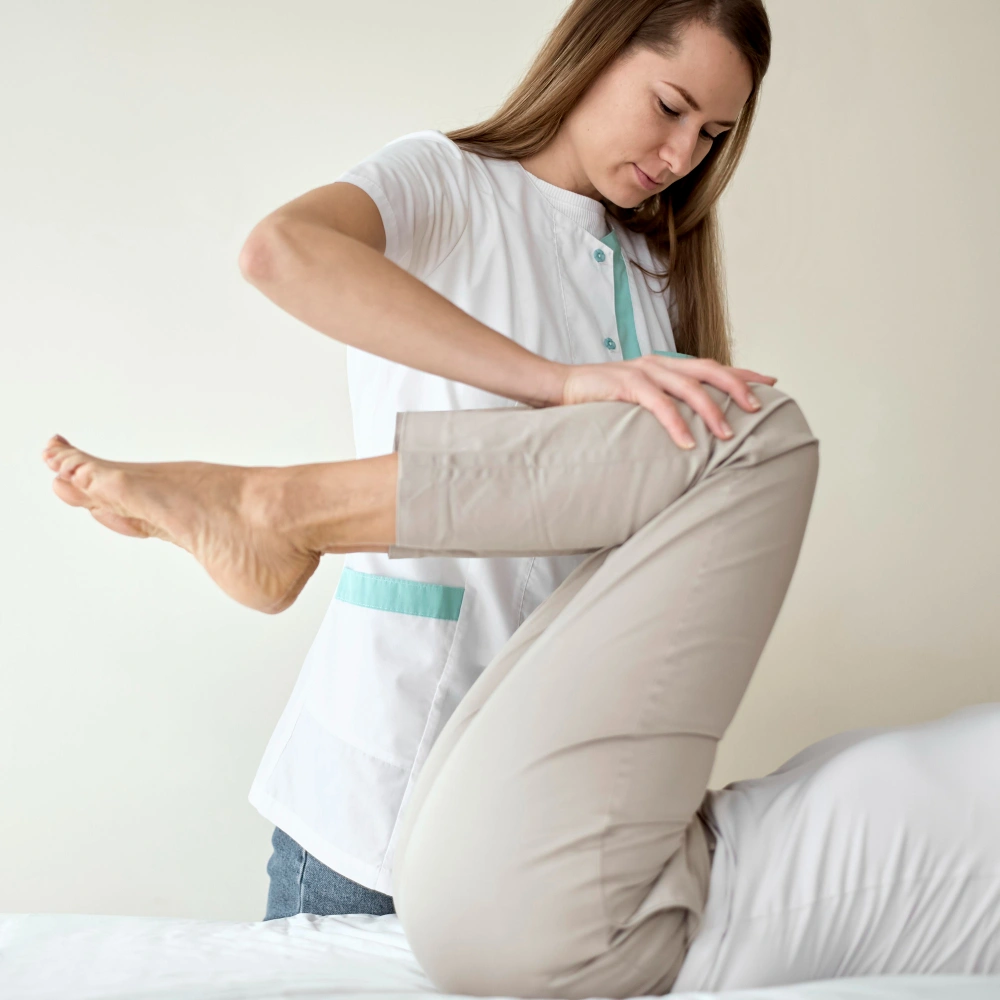
Joint Pain After Physical Therapy
Physical therapy can help improve strength, movement, and stability for many joint conditions.
But some patients continue to experience pain even after completing therapy. Others find that pain is severe enough to prevent them from participating fully in rehabilitation.
If physical therapy is not producing meaningful improvement, additional evaluation may help determine whether arthritis, nerve irritation, inflammation, or another condition is limiting progress.
What If You Have Already Seen an Orthopedic Doctor?
Many patients with persistent joint pain have already been evaluated by an orthopedic physician.
Orthopedic care and pain management can serve different roles.
An orthopedic specialist may focus on structural problems and whether surgery is necessary, while an interventional pain physician may evaluate nonsurgical and minimally invasive options for persistent pain.
Some patients benefit from care involving both specialties.


Chronic Knee Pain in Opelousas
Knee pain can quickly affect mobility and independence.
You may notice pain when:
- Walking longer distances
- Climbing stairs
- Standing from a chair
- Getting in or out of a vehicle
- Exercising
- Working
- Sleeping
Osteoarthritis is one possible cause, but previous injury, surgery, inflammation, and nerve-related pain can also contribute.
For appropriately selected patients, a genicular nerve block may help determine whether specific nerves around the knee are contributing to chronic pain.
Insurance Information
We accept most insurance providers, including:






Coverage, referrals, prior authorization, deductibles, and out-of-pocket expenses vary by plan. Contact the Lafayette office and your insurance provider before treatment to confirm your benefits.
Opelousas office: (337) 284-3200
Meet the Team Behind Your Care in Opelousas
Our pain management team evaluates joint, spine, and nerve-related conditions and develops treatment recommendations based on each patient’s symptoms, diagnosis, previous treatment, and goals.

ALBERT GROS, JR., MD
Anesthesiology & Pain Management Specialist

BRANDI MENIER, FNP-C
Family Nurse Practitioner – Pain & Orthopedic Care

ASHLEY WHITMORE, PA-C
Physician Assistant – Interventional Pain Management
What Our Patients Say
Professional Associations And Memberships







Areas We Serve Near Opelousas
Interventional Pain Specialists provides joint pain evaluation and treatment for patients throughout Opelousas and surrounding communities in St. Landry Parish and Acadiana.
- Opelousas
- Carencro
- Sunset
- Grand Coteau
- Port Barre
- Church Point
- Eunice

Schedule Your Joint Pain Consultation in Opelousas
Persistent knee, hip, shoulder, or other joint pain can gradually limit how much you are able to do.
If pain continues despite conservative treatment or is making it difficult to walk, work, exercise, sleep, or participate in physical therapy, an evaluation can help determine what may be causing the symptoms and what treatment options may be appropriate.
Interventional Pain Specialists – Opelousas
3983 I-49 S. Service Road
Opelousas, LA
(337) 284-3200
Frequently Asked Questions
What types of joint pain does IPS treat in Opelousas?
Interventional Pain Specialists (IPS) evaluates persistent pain involving areas such as the knees, hips, shoulders, sacroiliac joints, and spinal facet joints. Treatment depends on the underlying cause of the symptoms.
Does IPS treat chronic knee pain in Opelousas?
Yes. We evaluate chronic knee pain and may consider treatments such as joint injections, peripheral nerve blocks, or other interventional options for appropriately selected patients.
What is a genicular nerve block?
A genicular nerve block targets nerves that carry pain signals from the knee. It may be used diagnostically or therapeutically for selected patients with chronic knee pain.
Can a pain management doctor treat arthritis-related joint pain?
Yes, certain types of arthritis-related pain may be treated by an interventional pain physician when conservative treatment has not provided enough improvement.
What if physical therapy has not helped my joint pain?
Persistent pain after physical therapy may warrant further evaluation. Your provider may need to determine whether arthritis, joint degeneration, nerve irritation, or another condition is contributing to the symptoms.
Can radiofrequency ablation help joint pain?
Radiofrequency ablation may be appropriate for certain types of chronic joint-related pain when specific nerves have been identified as contributing to symptoms.
Do I need an injection at my first appointment?
No. The first visit focuses on evaluating your symptoms and determining what treatment, if any, may be appropriate.
Do I need a referral to see IPS in Opelousas?
Referral requirements depend on your insurance plan and individual circumstances. Contact Interventional Pain Specialists (IPS) or your insurance provider before scheduling to confirm what is required.
What should I bring to my appointment?
Bring any relevant imaging reports, medication lists, previous orthopedic or pain-management records, physical therapy information, and records of prior injections or surgeries.
What if I already had joint surgery but still have pain?
Persistent pain after joint surgery can have several possible causes. A pain management evaluation may help determine whether an interventional treatment or another type of specialist should be considered.