

Feeling unsure about your first visit? Here’s what you should know
If you’ve been dealing with ongoing pain, your doctor may refer you to a pain management specialist. It’s completely normal to feel uncertain about what happens at your first pain management appointment. Many patients worry about what will be asked, whether tests are needed, or what treatment might look like.
Understanding the process ahead of time can help you feel more prepared and confident. A first visit is not about rushing into treatment—it’s about listening, evaluating, and creating a plan tailored to your needs.
Key Takeaways
- Your first visit focuses on understanding your pain history and overall health
- A physical exam and possible review of imaging help guide diagnosis
- Treatment plans are personalized and may include non-surgical options
- Open communication with your doctor plays an important role in care
- You are not expected to have all the answers—your care team will guide you
What happens at your first pain management appointment?
A pain management consultation is typically more detailed than a routine check-up. The goal is to understand not just where your pain is, but how it affects your daily life.
1. Detailed medical history review

Your provider will ask questions about:
- When your pain started
- What it feels like (sharp, dull, burning, etc.)
- What makes it better or worse
- Past injuries, surgeries, or treatments
- Current medications
This step helps your doctor identify possible causes and patterns.
2. Discussion of your daily life and symptoms
Pain management doctors often look beyond symptoms. You may be asked how pain affects:
- Sleep
- Work or daily activities
- Mood and stress levels
This broader view helps create a more complete care plan. If you’re unsure whether your symptoms require specialist care, understanding when it’s appropriate to see interventional pain specialists can help guide your decision.
3. Physical examination
A focused physical exam may include:
- Checking range of motion
- Evaluating strength and reflexes
- Identifying areas of tenderness or nerve involvement
This helps pinpoint the source of pain more accurately.
4. Review of previous tests or imaging
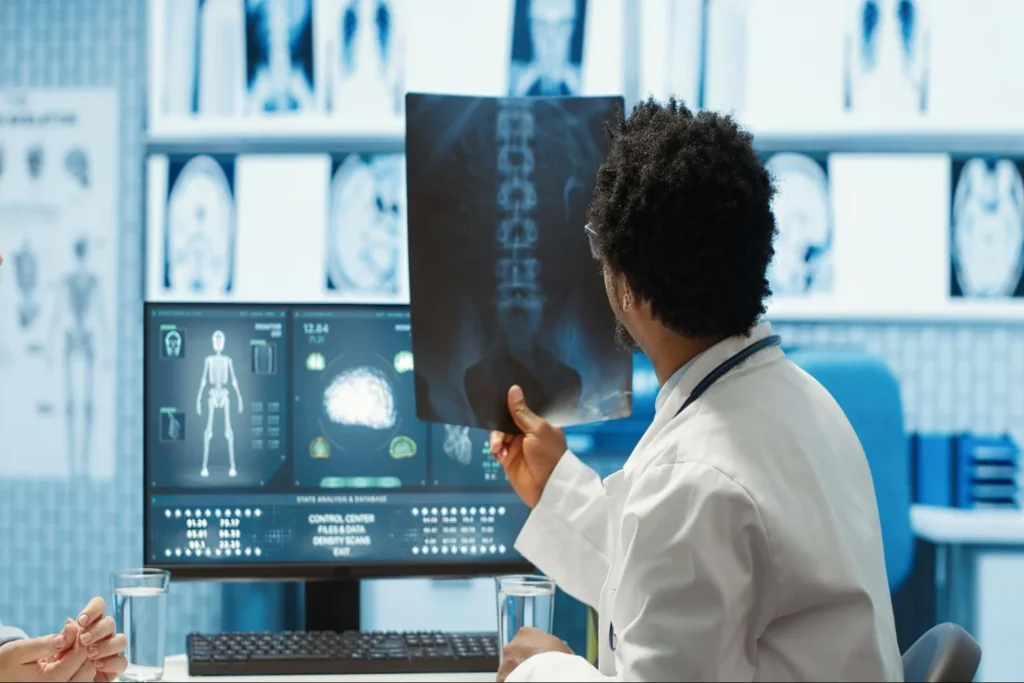
If you’ve had X-rays, MRIs, or CT scans, your provider will review them.
If needed, additional diagnostic tests may be recommended—but not always during the first visit.
5. Initial diagnosis and treatment discussion
Based on your evaluation, your doctor may explain:
- Possible causes of your pain
- Whether your condition is acute or chronic
- Treatment options that may help manage symptoms
This is where interventional pain management may be introduced, depending on your condition.
What to expect at a pain management appointment in Lafayette, LA
At a pain management clinic, care is typically personalized and step-by-step. Treatment is not rushed. Instead, your provider may recommend a combination of approaches, such as:
- Physical therapy
- Medications (if appropriate)
- Lifestyle adjustments
- Interventional procedures (like injections), if needed
Interventional pain management focuses on targeting the source of pain using minimally invasive techniques. These are often considered when conservative treatments have not provided enough relief. You can explore available interventional procedures used to manage chronic pain.
Will you receive treatment on your first visit?
In many cases, the first appointment is focused on evaluation and planning rather than immediate procedures.
However, depending on your condition, your doctor may:
- Start or adjust medications
- Recommend therapy or home care strategies
- Schedule a follow-up for specific treatments
This approach helps ensure that any treatment is appropriate and safe for your specific situation.
How to prepare for your first pain management consultation

Being prepared can make your visit more productive. Consider bringing:
- A list of current medications
- Previous medical records or imaging reports
- Notes about your symptoms and pain patterns
- Questions or concerns you want to discuss
Clear communication helps your provider better understand your needs.
Clear communication helps your provider better understand your needs. You may also find it helpful to review the team of experienced pain management providers before your visit.
What role do interventional pain specialists play?
Interventional pain specialists are trained to diagnose and treat pain using targeted, minimally invasive techniques. Their approach often focuses on:
- Identifying the root cause of pain
- Reducing reliance on long-term medication use when possible
- Improving function and quality of life
Your doctor may recommend interventional options only if they are appropriate for your condition.
If you want to understand more about the clinic’s philosophy and approach, you can explore Interventional Pain Specialists and our care approach.
Making the most of your appointment
Your first visit is also an opportunity for you to evaluate your care. Consider whether:
- Your concerns are being heard
- Explanations are clear and understandable
- You feel comfortable asking questions
A strong patient-doctor relationship supports better long-term outcomes. If you’re ready to take the next step, you can get in touch with the care team to schedule your visit here.
How to decide your next steps
After your first appointment, you should have a clearer understanding of:
- What may be causing your pain
- What treatment options are available
- What the next steps might look like
Take time to review your options. If something isn’t clear, it’s okay to ask for clarification before moving forward.
FAQs
How long will my first pain management appointment take?
Your first appointment is usually more detailed than a routine visit and may take about 30 to 60 minutes. This allows your provider to review your medical history, understand your symptoms, perform an exam, and discuss possible next steps.
Do I need a referral to see a pain management specialist?
This depends on your insurance plan. Some plans require a referral from a primary care physician, while others allow you to schedule directly with a specialist. It’s a good idea to check with your insurance provider in advance.
Will I receive treatment during my first appointment?
In many cases, the first visit focuses on evaluation and creating a personalized care plan. Depending on your condition, your doctor may recommend initial therapies or schedule procedures for a later visit.
What types of pain treatments does Pain Specialists offer?
Pain specialists may recommend a range of treatments based on your diagnosis. These can include physical therapy, medications, lifestyle guidance, and interventional procedures such as targeted injections. Your provider will suggest options that are appropriate for your specific condition.
Will I be prescribed pain medication at my first appointment?
Not always. Pain management care typically involves a comprehensive approach. Medications may be considered if appropriate, but many treatment plans also include non-medication options.
How soon can I expect relief after starting treatment?
Relief timelines vary depending on the cause of your pain and the type of treatment recommended. Some patients may notice improvement within days, while others may require ongoing care over several weeks to achieve meaningful results.
Medical References
- Mayo Clinic
- Cleveland Clinic
- National Institutes of Health (NIH)
- American Society of Interventional Pain Physicians (ASIPP)
- American Academy of Pain Medicine (AAPM)
Disclaimer
This content is for informational purposes only and does not replace professional medical advice. Always consult a qualified healthcare provider for diagnosis and treatment.