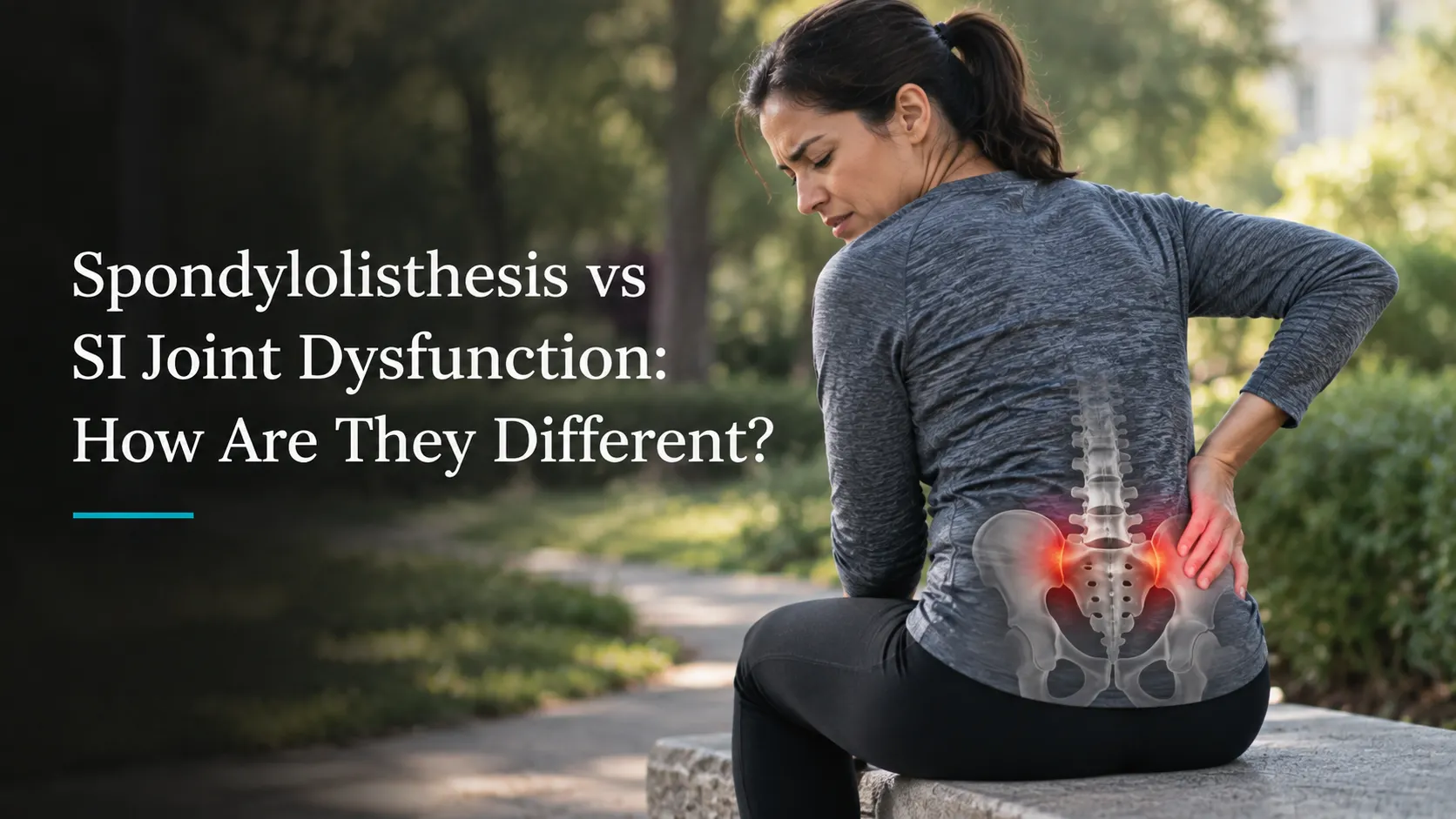

If pain is making it harder to sit, walk, work, or sleep comfortably, you may be wondering about physical therapy vs pain management and which option fits your needs. Some people are advised to try physiotherapy, while others are referred to a pain management doctor—especially when pain becomes persistent or severe.
Understanding the difference between physical therapy and pain management can help you feel more confident about your next steps. In many cases, these approaches are not competing—they are often used together as part of a personalized care plan.
Key Takeaways
- Physical therapy vs pain management involves two different but complementary approaches to treating pain
- Physical therapy focuses on movement, strength, and long-term recovery
- Pain management focuses on reducing pain through medical and interventional treatments
- Many patients benefit from combining pain management and physical therapy
- The right approach depends on your condition, pain severity, and daily limitations
What Is Physical Therapy vs Pain Management?
Physical Therapy (Physiotherapy)

Physical therapy treatment—also known as physiotherapy for pain relief—focuses on improving how your body moves and functions. It aims to address the underlying cause of pain through guided exercises, stretching, and hands-on techniques.
It is commonly recommended for:
- Back and neck pain
- Joint stiffness or arthritis
- Muscle injuries or strains
- Post-surgical recovery
Pain Management

Pain management is a medical specialty that focuses on diagnosing and treating pain, especially when it is ongoing or complex. A pain management doctor may use medications or minimally invasive procedures to reduce discomfort.
Interventional pain management options may include:
- Nerve blocks
- Epidural steroid injections
- Radiofrequency ablation
These pain relief treatments are often considered when pain is limiting daily activities or not improving with conservative care alone.
How Physical Therapy vs Pain Management Treatment Works
When comparing physical therapy vs pain management treatment, the main difference lies in how each approach targets pain.
Physical Therapy Approach
- Focuses on improving strength, flexibility, and mobility
- Uses structured exercise programs tailored to your condition
- Encourages gradual, long-term recovery
Pain Management Approach
- Targets pain signals, inflammation, or nerve irritation
- Uses medical or interventional techniques for relief
- May help reduce pain enough to allow participation in rehabilitation
In clinical practice, providers often combine physical therapy and pain management to support both short-term relief and long-term improvement. You can explore different treatment options here.
Who Is It For?
Physical Therapy May Be a Good Fit If You:
- Have mild to moderate pain
- Notice stiffness, weakness, or limited movement
- Are you recovering from an injury or surgery
- Want to improve function without invasive treatments
For example, someone with lower back pain from prolonged sitting or poor posture may benefit from physiotherapy for pain relief.
Pain Management May Be a Good Fit If You:
- Have moderate to severe or persistent pain
- Experience nerve-related symptoms (such as tingling or radiating pain)
- Have not improved with physical therapy alone
- Need more immediate relief to perform daily activities
For instance, patients with sciatica or chronic spinal pain may be referred to a pain management doctor for further evaluation. Learn when to seek interventional pain specialists’ care.
Benefits of Each Approach
Physical Therapy Benefits
- Improves strength, flexibility, and posture
- Addresses underlying causes of pain
- Supports long-term recovery and prevention
- May reduce reliance on medications
Pain Management Benefits
- May provide faster or more targeted pain relief
- Helps manage chronic or complex conditions
- Can improve comfort during daily activities
- Enables participation in physical therapy programs
When comparing pain management vs physiotherapy, both approaches offer valuable benefits depending on your stage of recovery.
Risks and Limitations
Understanding limitations is important when evaluating physical therapy vs pain management.
Physical Therapy
- Progress may take several weeks or longer
- Requires consistency and active participation
- Some exercises may cause temporary soreness
Pain Management
- Injections may cause temporary discomfort or soreness at the site
- There is a small risk of infection or bleeding with procedures
- Pain relief may be temporary, and repeat treatments may be needed
- Not all treatments are suitable for every patient
Your provider will review your medical history before recommending any pain relief treatments.
What to Expect During Treatment
Physical Therapy
- Before: A detailed evaluation of movement, posture, and pain areas
- During: Guided exercises, stretching, and manual therapy sessions
- After: Gradual improvement with consistent participation over time
Many patients begin to notice changes in mobility and strength over a few weeks, although timelines can vary.
Pain Management
- Before: Medical assessment, which may include imaging or diagnostic tests
- During: Office-based treatments such as injections or medication adjustments
- After: Monitoring of pain levels and function
Some patients experience relief soon after treatment, while others may notice gradual improvement.
Physical Therapy vs Pain Management: How to Think About Your Choice
If you’re deciding between physical therapy vs pain management, it may help to consider your situation:
- Is your pain mild, moderate, or severe?
- Is it affecting your ability to work, sleep, or move?
- Have you already tried conservative treatments?
- Are you looking for long-term improvement, short-term relief, or both?
In many cases:
- Physical therapy supports long-term recovery and movement
- Pain management focuses on reducing pain so you can function more comfortably
Rather than choosing one approach on your own, a qualified specialist can help guide your decision based on your condition and goals. If you’re exploring treatment options or want a personalized plan, you can learn more about available services and care approaches here at Interventional Pain Specialists.
Frequently Asked Questions
1. Can I combine pain management and physical therapy?
Yes, combining pain management and physical therapy is common and may help improve both pain relief and functional recovery.
2. When should I see a pain management doctor?
You may consider it if your pain is persistent, severe, or not improving with conservative care like physical therapy.
3. Does physical therapy completely eliminate pain?
Physical therapy may help reduce pain and improve function, but outcomes vary depending on the condition and individual response.
4. How long does each treatment take to work?
Physical therapy often requires consistent sessions over weeks, while some pain management treatments may provide shorter-term relief sooner. Results vary from person to person.
5. How do I know which approach is better?
Consult your healthcare provider. They can evaluate your pain, medical history, and goals to suggest whether physical therapy, pain management, or a combination is appropriate.
Medical References
- Mayo Clinic
- Cleveland Clinic
- National Institutes of Health (NIH)
- American Society of Interventional Pain Physicians (ASIPP)
- American Physical Therapy Association (APTA)
Disclaimer
This content is for informational purposes only and does not replace professional medical advice. Always consult a qualified healthcare provider for diagnosis and treatment.