
Many patients assume that chronic pain can only be treated with prescription drugs. While medications can provide temporary relief, effective pain management without medication focuses on addressing the underlying source of pain using minimally invasive procedures, physical therapy, and lifestyle adjustments. Understanding the full spectrum of pain management options empowers patients to regain mobility and reduce dependence on drugs.
Quick Answer: Is Pain Management Just Medication?
No. Effective pain management goes beyond prescription drugs. It combines minimally invasive procedures such as nerve blocks or radiofrequency ablation with physical therapy, rehabilitation, and lifestyle adjustments to address the source of pain and improve long-term function.
Key Takeaways
- Pain relief does not always require medication.
- Chronic pain management combines interventional, physical, and behavioral therapies.
- Minimally invasive procedures target structural or nerve-related pain sources.
- Lifestyle changes and rehabilitation are essential for lasting results.
- Early intervention improves long-term outcomes.
- Personalized treatment plans provide safer, more precise relief.
Understanding Pain Management Beyond Pills
Many people equate pain management with taking pills, but this is only one component of a comprehensive strategy. Pain management without medication emphasizes procedures and therapies that directly address the source of discomfort.
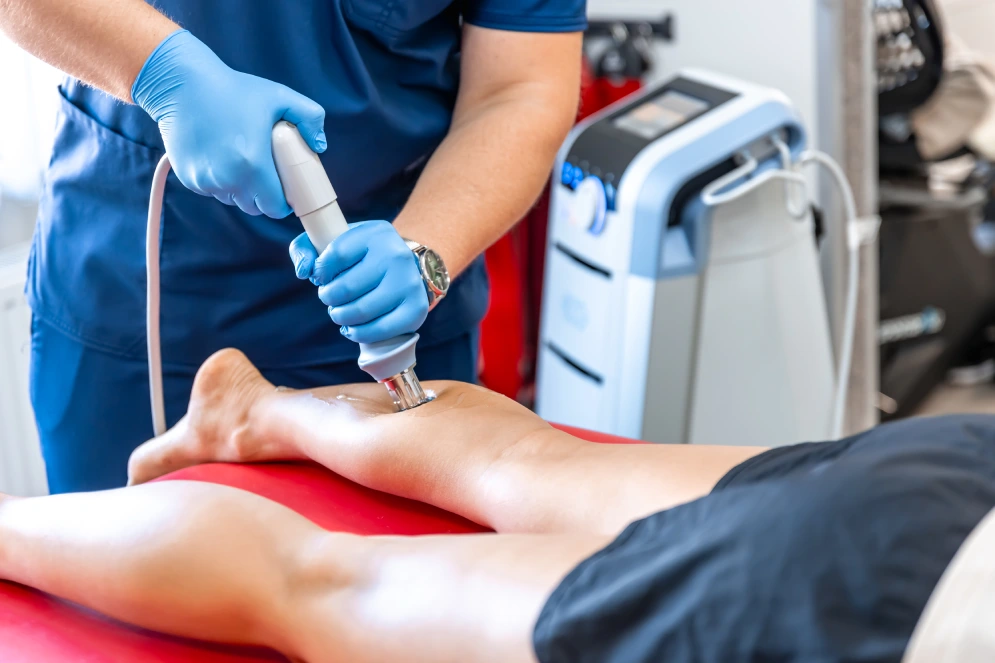
Interventional pain specialists use image-guided injections and targeted procedures to reduce inflammation and nerve irritation. Combined with rehabilitation, cognitive behavioral strategies, and lifestyle modifications, these approaches restore mobility and improve quality of life.
If you’re unsure whether it’s time to explore specialized care, our guide on when to see interventional pain specialists explains the signs that conservative treatments may no longer be enough.
Why Medication Alone Often Falls Short
While medications such as NSAIDs, opioids, and muscle relaxants can relieve pain, they often do not correct the underlying problem. Over time, patients may experience:
- Limited long-term effectiveness
- Side effects or gastrointestinal, cardiovascular, or liver risks
- Dependency or tolerance with prolonged opioid use
- Persistent functional limitations
Addressing chronic pain at its source through minimally invasive interventions and structured therapy often provides more sustainable relief than medication alone.
If you are weighing options carefully, you may also benefit from reading Pain Management vs Surgery: What Are Your Options? to understand evidence-based alternatives before considering invasive procedures.
Options for Pain Management Without Medication
Patients seeking chronic pain management without medication can benefit from a multi-modal approach. Key options include:
- Interventional procedures – Epidural steroid injections, radiofrequency ablation, spinal cord stimulation, selective nerve blocks, and peripheral nerve blocks
- Physical therapy and exercise programs – Stretching, strengthening, and mobility work tailored to spinal or joint conditions
- Cognitive behavioral therapy (CBT) – Helps manage the perception of pain and reduces stress-related exacerbation
- Lifestyle and ergonomic adjustments – Proper posture, activity pacing, and workspace optimization
- Complementary therapies – Acupuncture, TENS units, and heat/cold therapy can support relief
Interventional Pain Procedures: Targeted Relief Without Drugs
1. Minimally Invasive Spine and Nerve Treatments
Interventional pain procedures are designed to directly interrupt or calm pain pathways:
- Epidural steroid injections – Reduce inflammation around compressed nerves
- Radiofrequency ablation (RFA) – Disrupts pain signals from facet or sacroiliac joints
- Spinal cord stimulation – Modulates chronic nerve pain via implanted devices
- Selective and peripheral nerve blocks – Pinpoint nerve pain sources for precise relief
2. Joint Pain Interventions
For joint-related pain, options include:
- Steroid joint injections – Targeted relief for arthritis or inflammation
- Iovera cryoneurolysis – Temporarily blocks nerve pain signals
- Kyphoplasty – Stabilizes painful vertebral compression fractures
These outpatient procedures are performed under advanced imaging guidance, ensuring precision and minimizing downtime.
You can also learn more about our experienced providers and pain specialists who deliver these treatments safely and effectively.
How to Choose the Right Pain Management Approach
The most effective treatment begins with a personalized evaluation that may include imaging, diagnostic injections, and a detailed physical assessment.
An ideal plan focuses on:
- Identifying the true pain generator
- Combining interventional treatment with rehabilitation
- Reducing unnecessary medication exposure
- Improving long-term mobility and function
Patients in Lafayette and Opelousas seeking alternatives to long-term medication use often benefit from early evaluation rather than waiting until pain becomes debilitating.
Quick Tips for Managing Pain Without Medication at Home
Clinical care works best when supported by healthy habits:
- Pace activities to prevent flare-ups
- Improve workstation ergonomics
- Use heat or cold therapy appropriately
- Maintain gentle stretching routines
- Practice stress-reduction techniques such as mindfulness and controlled breathing
These steps complement professional treatment and support sustained improvement.
Take the Next Step Toward Safer, Targeted Relief
If you’re struggling with persistent pain and want to reduce reliance on medication, it may be time to explore interventional options.
Early evaluation leads to better outcomes.
Visit Interventional Pain Specialists to request a consultation and learn how a personalized, minimally invasive treatment plan can help you regain control of your life.
FAQs
1. Can chronic pain be managed without medication?
Yes. Many patients experience significant relief using interventional procedures combined with therapy and lifestyle adjustments.
2. What are non-drug options for pain management?
Nerve blocks, radiofrequency ablation, spinal cord stimulation, physical therapy, CBT, and ergonomic adjustments are commonly recommended.
3. How effective are interventional procedures compared to medication?
For structural or nerve-related conditions, targeted procedures often provide longer-lasting relief because they address the source of pain directly.
4. Are these treatments safe for long-term relief?
Yes. Most interventional procedures are minimally invasive and performed under imaging guidance, minimizing risks and supporting durable pain relief.
5. Can I combine physical therapy and interventional treatments?
Absolutely. Combining rehabilitation with targeted procedures optimizes function, strengthens affected areas, and improves long-term outcomes.
6. How soon can I feel relief without medication?
Some patients experience immediate relief from diagnostic or therapeutic injections, while others may require several sessions or gradual improvement through combined therapies.
7. Does pain management without medication require multiple visits?
Typically, yes. A multi-modal plan involves diagnostic assessments, interventions, therapy sessions, and follow-up evaluations to ensure optimal outcomes.